Ages 13-15 (2018-2021)
A transitional period
If there was one thing that was true about my family it was that we were always either about to move, about to have a new baby, or both. The year I turned thirteen we did both. My little sister was born, and several months later we moved from Montana to Texas. I’d come to love our little city in Montana and wished we didn’t have to leave. This was also a hard time for me because I was growing up and dealing with many mental and physical changes. All of the sudden, my body was different, my thoughts were confused, and I had questions I wasn’t sure were appropriate to ask. I didn’t have a strong sense of who I was or what I could even do anymore. I was not a loud or rebellious teenager and never got involved in drama. I lived a quiet life and may have even seemed mature for my age. What defined my teen years was a persistent, awkward feeling of being in-between, like I wasn’t the age I should be.
My secret curiosity
Around this time, I secretly became curious about school. This curiosity did not come all at once, but through a series of random little incidents such as the ones I list here.
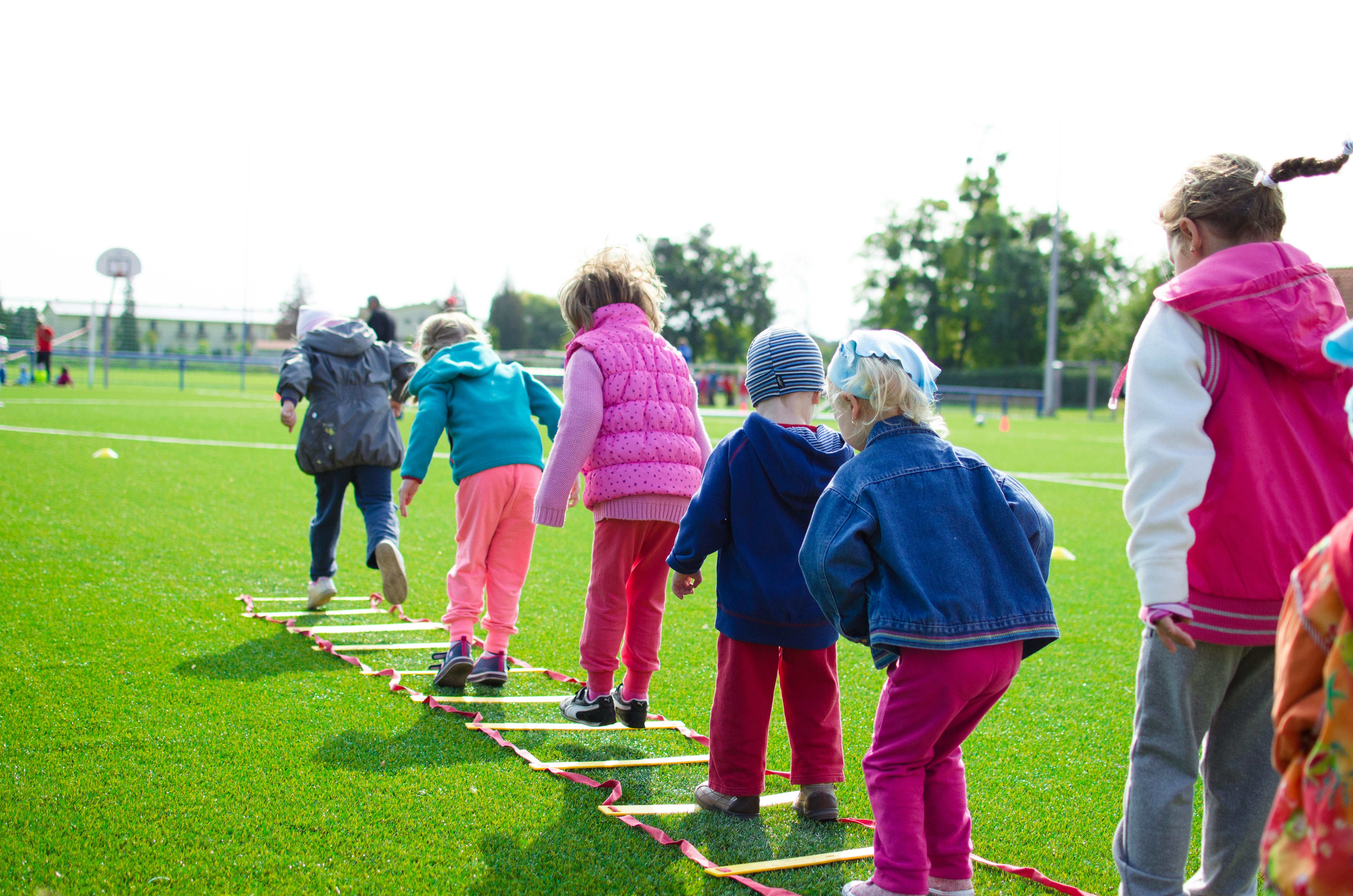
- My homeschool group held a track meet at the middle school I would’ve been attending, all the kids came out for recess, and my parents made remarks about it looking like a prison yard.
- Mom gave me a book from her childhood and said that she knew I had a very different life than she did in middle school, but she hoped I’d still like it. I thought my life must be better right? but was also fascinated by the experiences the characters had with starting junior high and forming a friend group.
- We watched a movie about a homeschooler going to school. It wasn’t always easy for him, but his school still looked nice.
- I found my family’s books on homeschooling, and learned that unlike public schoolers, I was apparently learning to think critically and had no unnatural attachments to my peers.
- I also found my parent’s old high school yearbooks, which made school look almost fun.
- My mom talked about hypothetically putting my siblings in school when the moving finally ended. I thought our family would do that? but realized I’d be too old then anyways.
- I was at the playground with my mom and siblings when a school nearby let out and the park flooded with other kids. It was interesting to see them all.
- In 2020 I watched my neighbor’s graduation ceremony held on their front porch. I knew it was sad that they didn’t get a proper graduation. But I also thought hey, I bet my graduation will look like this anyway. I pitied the kids missing out on senior year while knowing that I wouldn’t have that experience myself.
As you can tell I had an extreme amount of cognitive dissonance during this time. I was so grateful to be homeschooled, have lots of free time, and not be in those oppressive public schools, but if I’d been told I now had to attend those same schools, I probably would’ve been excited. I had no idea what I wanted. Deep down I suspected that public school would not be a real option for me anyways. Regretfully, I never said a word about these thoughts to my parents. I wonder what conversations we could’ve had. For example, mom has since told me that even she took those Christian homeschooling books we owned with a grain of salt. How could I have known that as a thirteen-year-old? I was just a kid becoming aware that I was different and looking for something to explain my own life to me.
Too old
I hated being thirteen. Nothing particularly bad happened to me then, and my family life continued much as it always had. But I still hated it. I didn’t like having a growth spurt, I didn’t like having my period, and I didn’t like being too old to enjoy the things I once had. Sometimes I still tried to join in on the games my siblings played, but it just didn’t feel the same anymore. So, I did my schoolwork, helped with chores, and then came the awkward in-between time. My younger siblings and cousins played on playgrounds marked for ages 5-12, while I paced around the park collecting acorns, or sat awkwardly near the adults while they chatted. One evening a week, I went to a Christian scout-type program with a few other girls my age, and sometimes my family attended a church with a youth group. I liked these outings and found the other kids fascinating even if I didn’t fully know how to interact with them or be part of the group. Reading was still a passion of mine, but I rarely even met another kid my age in the pages of a book. The characters all seemed to be twelve still, and I just had to be thirteen.
Increasing connections
Fourteen seemed like a luckier age for me than thirteen had been. My family moved again, but this time we stayed within the same city, and it felt like a positive change. A nice house opened up in military housing, so we took the opportunity to move on base. Dad no longer had to put up with a long commute, and we all liked our new home that came with the amenities of living on base. The surroundings felt familiar and almost nostalgic to me as I’d lived on or near bases when I was younger. I enjoyed meeting the neighbors who were also military kids and understood my lifestyle. Another positive development was my mom finding more homeschool activities to join. In addition to the scout-type program I’d been in the year prior, I was now part of two new activities. The co-op had enough fourteen-year-olds that we could do an actual ninth-grade biology class together. The homeschool band was something that I never would have thought of on my own, but mom encouraged me to try it. To my surprise, I discovered I was capable of learning an instrument, and I still enjoy playing my flute to this day. Three activities every week! That was the most I’d ever had. As a young teenager I loved this and began to put more effort into my social interactions than before. I hung out with the other older girls at the park after co-op, went on campouts with my troop, and got invited to a few parties. The homeschool community my family found was welcoming and kind. I still remember the people I knew during that time fondly. For a little while, I sort of had a social life.
Did everyone become like us?
New Years came and it was a new decade. I had no idea what the next ten years would be like, but so far, the beginning of 2020 seemed like the continuation of a good time for me. Even the weather was nice (mild Texas winters are a break from the heat). In early March, some of my siblings and I had a lot of fun at a troop camporee where there was facepainting, cake decorating, and time spent with our friends. We left early though because Dad was suddenly busy with work and Mom had to return home to watch the other kids. It turns out Dad was busy because he had to help make a plan for how the base would respond if this new virus we’d all heard of became a problem in our area. Of course, we were on the brink of witnessing the worldwide COVID-19 pandemic spread to the United States.
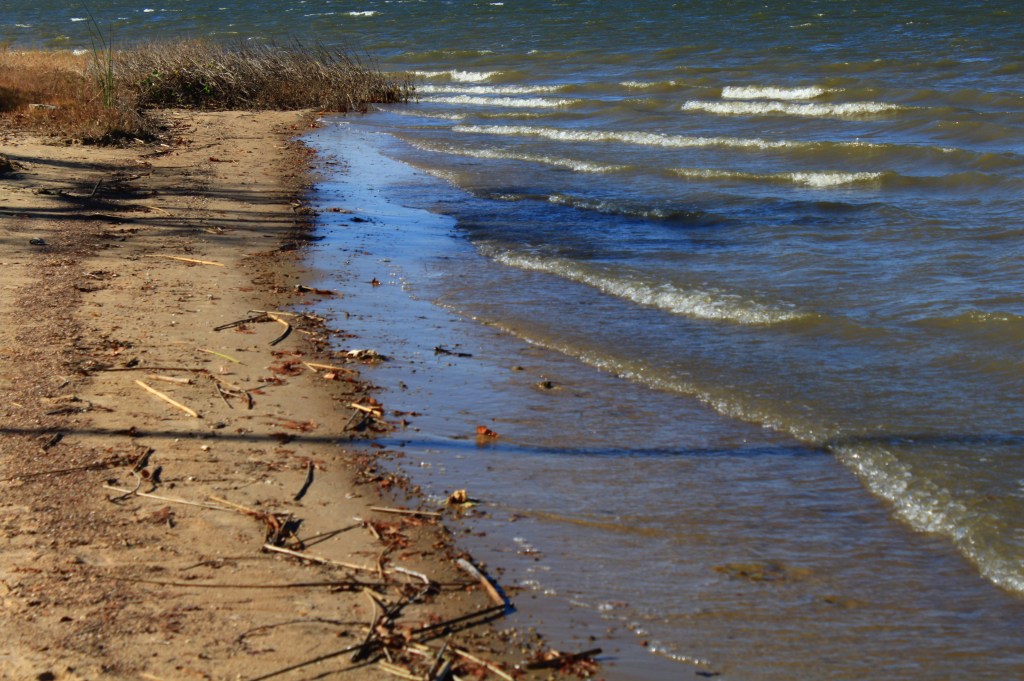
The pandemic was a global tragedy that affected everyone, and I know there were many families who were worse off than ours during that time. Quarantine came with massive costs to children as schools were shut down for an indeterminate amount of time. Suddenly every family homeschooled. I remember my dad commenting that we kids were normal for the first time in our lives. But were we? What did it mean to be a homeschooler during the pandemic, not just a pandemic homeschooler? First, unlike many children, my siblings and I were fortunate that our academic progress was not interrupted at all by quarantine. If anything, we had more time to do schoolwork. Second, although we already spent most of our time at home, being completely stuck at home was still a strange experience. Not having those activity days to look forward to each week felt like having the having the rug pulled out from under me. Zoom meetings weren’t enough. I never thought I would miss mundane things like shopping and library trips so badly. One thing that helped was that our neighborhood had access to a path and a lake. Sometimes Mom would take us kids out for what we called a “pandemic picnic”, so at least we got some fresh air.
For me, a third aspect of being a homeschooler during the pandemic was being part of a community that reacted to the risks of COVID-19 differently than mainstream society. In the spring, the world was shut down, and it was clear that we were living through a global emergency. I remember watching the news and seeing footage of deserted city streets, and rows of tents set up because the hospitals were full. I understood that this was serious and that of course my family had to stay home so we wouldn’t get sick. But we also lived in Texas where the quarantine regulations were lax and not everyone believed they were necessary. By May, my family was going to state parks and even visiting my grandparents. I heard that this thing I had been truly scared of only a few months before was actually no worse than a cold or flu. This was confusing because even if some people had mild cases, weren’t others actually getting sick and dying? Still, over time I began to feel that perhaps the situation wasn’t that serious after all, because that was how all the adults in my life were behaving. Then, I found out that the regional summer camp my scout-type organization ran was still happening. Yes, leaders from troops across the south decided to run it the summer of 2020. I hadn’t expected to go to camp that summer, because obviously there was a pandemic (right?), but then I did. Although I enjoyed some parts of it, I still had a vague sense of uneasiness, especially when eating meals in the crowded main hall where no one was wearing a mask. If I was exposed to COVID then, I didn’t get noticeably sick, but looking back I’m a little shocked that I participated in a pandemic summer camp. And I will note that many of the girls there were homeschooled. That was a weird time.
Overall, homeschooling meant that I didn’t even experience a once-in-a generation crisis the same way most of my peers did. I stayed in my niche subculture while they gradually transitioned back to in-person schooling. Everyone else had not become like us long-term homeschoolers. By January of 2021 I was fifteen-and-a-half years old, my family was preparing for another move, and I still felt stuck in-between.
Click here to share your own homeschooling story on this website