Tag: Socialization

  • On the Benefits and Limits of Homeschool Co-ops

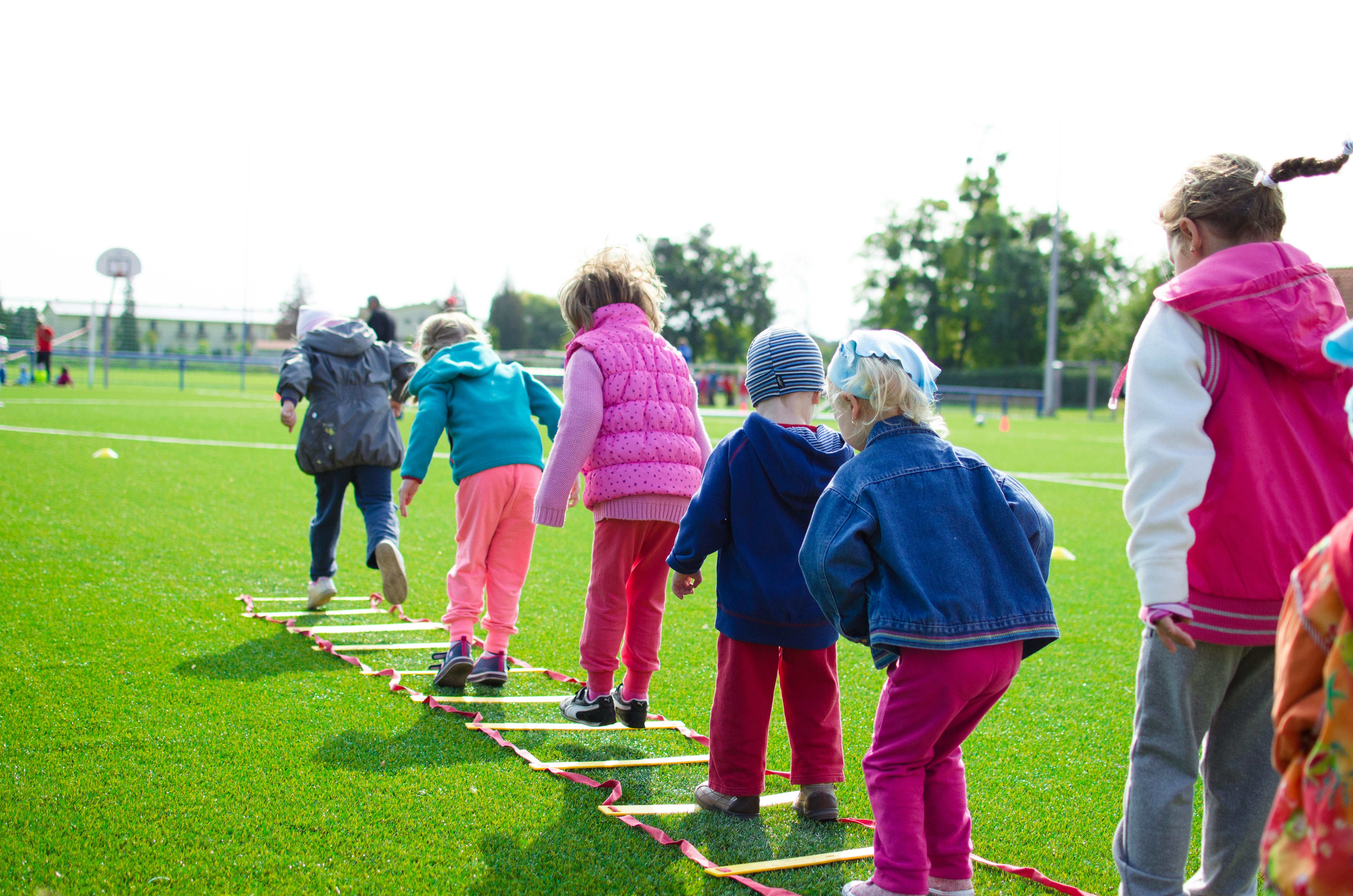
    https://pixabay.com/images/download/publicdomainpictures-children-14067_640.jpg

    Author: Grace

    Introduction

    Growing up, I always looked forward to co-op days. Co-op was a little slice of life outside the home. It had the possibility of friends and was a place where like-minded families came together for activities that would be hard to do alone. Thanks to my co-ops, I learned photography, played the ukelele, gave speeches, and did dissections for high school biology. I had people I looked forward to seeing, and whom I still remember fondly to this day. In many ways, the co-ops we attended provided an enriching experience for my siblings and I, one that we were undoubtedly better off for having had.

    Co-ops are a resource commonly used by homeschooling families like mine. In 2025, the Johns Hopkins Homeschool Research Lab conducted a survey of over 2,400 homeschooling parents in the U.S. In it, 88% of parents reported using outside resources to supplement their children’s learning, and 29% specifically reported using co-ops. This allows for rates of co-op attendance to be estimated at about 1 in 3 American homeschooling families. Apparently, many homeschoolers find co-ops to be a resource worth using, and I agree that they can indeed be a valuable addition to homeschool life.

    Sometimes I still wonder though: are co-ops really enough? It may seem odd that someone with good memories of co-ops would even ask this question. However, now that I have grown up and left the world of homeschooling, I can see some flaws in the homeschool lifestyle. I wish to discuss then. After all, how will future generations of homeschoolers know what to improve if alumni do not share their perspectives? So, this will be a somewhat critical article on weekly homeschooling co-ops. I will argue that if we mean “enough” in the sense of providing adequate social opportunities and academic enrichment for homeschooled students, then no, co-ops are not enough by themselves. They are limited in what they can provide as they are constrained by time and the pressures of family life. They are a starting point to enrichment, not an end in themselves.

    Social Limitations

    The largest social constraint I have noticed in homeschool co-ops is a simple lack of time for interaction. Because they are intended to be supplemental and not a child’s primary source of education, co-ops spend much less time in session than traditional schools. They commonly meet once per week, possibly less, with years that may be shorter than a traditional school year. While children in school will be around the same group of people five days a week as part of their normal routine, homeschooled children may only get one day a week with a specific set of people. Furthermore, that one day is for an activity that is not essential to their family’s functioning, and in fact just creates more work for the parents. Co-op is easy to miss due to sickness, scheduling conflicts, or parental burnout. I personally missed multiple times as a teen due to younger siblings being ill. And if a family skips a week, they will likely have at least another one to wait before seeing their co-op friends again. All of this means that a child in a co-op may end up feeling that their time to form friendships is limited, and that access to their social outlet is inconsistent and precarious.

    Another social limitation of co-ops is that they can lack diversity. By their very nature, they only include homeschoolers who voluntarily join and are not a representative sample of the local community at large. Often co-op leaders are even selective about which type of homeschooler is admitted and end up creating a little social bubble full of families with similar religious and political beliefs. I have seen this process unfold firsthand. Several years ago, my large family had just moved to a new state, where we were lucky to find a little co-op that welcomed us in the middle of the semester. Within the next few years that co-op grew in size, space became limited, and the leadership established a stricter vetting process for new members. This included a mandatory statement of faith and a lengthy review by the board members. They found social media posts they didn’t like? Rejected. There was a rumor about one of the children in a family? Rejected. A parent couldn’t commit to leading a class due to medical problems? Rejected. The judgement and exclusivity of some homeschool moms went far beyond practical considerations for co-op membership. And the result was a co-op that was very conservative, evangelical and very white as a natural result of selecting for the first two things. It did not allow kids to interact with people from a variety of backgrounds, nor did it allow them to explore outside ideas. As a teen who was beginning to internally question some conservative ideas, I felt I could not say all my thoughts out loud. And I recognize that my family was welcomed into many of our co-ops because we were conservative Christians. I know of other homeschoolers who struggled to find a homeschool group because of strict membership requirements. The lack of diversity within some co-ops means that some kids are not learning to interact with people different than them, and others are shut out.

    Academic Limitations

    Lack of consistency and time can also affect the academic offerings at co-ops. I don’t deny that they can provide excellent academic enrichment when the circumstances are right. When I was in ninth grade, I was enrolled in a co-op that had several other students my age, and parents willing to teach high school biology. We did our textbook readings as homework, then came to co-op for the labs and class discussions that we couldn’t do at home. It worked well for everyone. Well, except for the co-op’s sole older high schooler who’d already done biology. And it was a wonderful opportunity- for the year it lasted. I had no co-op chemistry class the next year, nor physics the year after. The rest of high school science was reading a textbook alone in my room. Co-op membership shifts, teachers come and go, and the class offerings of a co-op vary from year to year. This is perfectly fine if you’re looking for fun extracurricular classes like painting or robotics but makes the co-op an unreliable source for core academic subjects like algebra or high school chemistry.

    Parents vs. Children

    Although a co-op exists to provide activities for homeschooled children, it is ultimately an organization run by and dependent upon homeschooling parents. Not that this is inherently bad- it is unavoidable that much of what a child does will need to be facilitated by adults anyways. Still, it is important to recognize that parents and children play distinct roles in a homeschool co-op. If co-op leaders treat the experiences of themselves and their children as one and the same, they risk their co-op becoming more accommodating to the social needs of the adults than those of the children.

    A homeschool mom who joins a co-op is the one with autonomy, the one with transportation, the one with control over how her family socializes. She can seek out a community with like-minded adults in a similar stage of life. She has free access to electronic communication with her friends and full control over arranging get-togethers outside of co-op. Yes, it’s still possible she could struggle to make friends, but as an adult, she has a level of control over her social situation that her children do not have over theirs.

    I think that co-op parents can even get more social time than their children. One co-op I attended had a free period for moms to hang out in the break room and drink coffee together. Meanwhile the kids were in class, where much like in a school, we were expected to pay attention and not just talk the whole time. I loved class, and that was a very reasonable expectation, but it still led to slightly less social time for us kids. In another co-op my mom joined the board, which held meetings where parents got together, dealt with administrative tasks, and spent a lot of time talking. Of course, I understand that the board meetings were necessary for the co-op to function. It’s just somewhat ironic to think of all the moms laughing and chatting while the teens of the co-op were apart. All of those hours were spent planning classes that would only meet about ten times, so that the students could have their mornings together a couple times a month.

    It’s no wonder that the social landscape of a co-op can be a bit challenging for a student. The other kids enrolled in a co-op have a wide range of ages and personalities without the common identity of something like “Christian Homeschool Parent” to bind them together. A 40-year-old mother may easily befriend a 45-year-old mother, while their daughters aged 10 and 15 struggle to relate to each other on the same level. And a homeschooled kid had better hope that the peers they connect with at co-op happen to also be the kids of mom’s friends. When my family met up with other families, sometimes one sibling’s friend would be there, sometimes another’s, while the other kids would all sit around awkwardly. We were always seeing one of mom’s friends though. Overall, it is possible for the children in a co-op to have less opportunity to feel connected with people of a similar developmental stage than their parents do.

    Conclusion: How to Properly Use Co-ops

    Co-ops are a starting point to social and academic enrichment, not an end. They should be supplemented with other activities and resources. Something that can help mitigate the shortcomings of the weekly activity model is being involved in multiple activities at once, with overlapping families if possible. Parents should also arrange frequent get-togethers outside of activities that center on their children’s friendships. If they’re searching for additional academic support, they can look into everything from online classes, to tutors, to community college for teens. Most importantly, parents can simply ask their kids to share their perspective. Are they happy, are they bored, is there anything else they want to learn, do they feel they have true friends? Is there something going wrong in their life? Just ask! Make sure they feel understood and connected with other people.

    None of this is said to discourage participation in co-ops. I still maintain that they can be a wonderful addition to homeschool life, and that raising awareness of the potential pitfalls associated with them is for the good of homeschooling and homeschooled children alike.

  • Socialization Explained for Homeschoolers: Integration Into Society

    This essential part of human development may be more complex than you think.

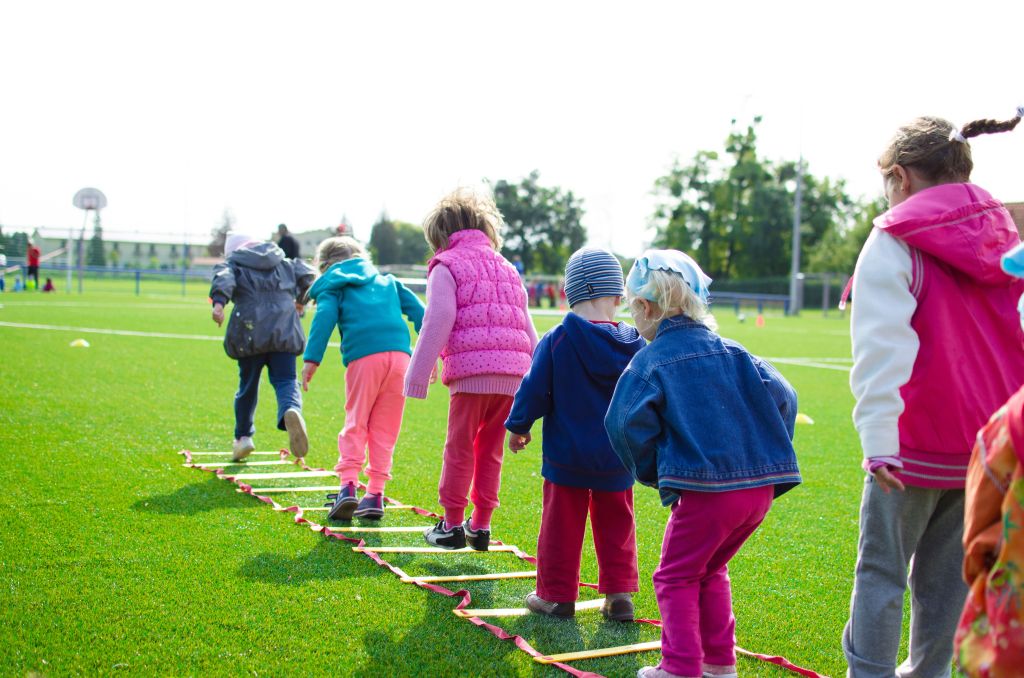
    https://images.pexels.com/photos/296301/pexels-photo-296301.jpeg

    Author: Grace

    Socialization is a commonly debated issue related to homeschooling. Do some research on it, and you will find everything from claims that homeschooling produces superior social skills, to warnings about the dangers of isolation. To participate in this debate, you must first understand what socialization actually means, and how it happens. This article series will give a brief overview of socialization. Hopefully it will be helpful whether you are a homeschool alumni evaluating your own socialization, or someone who wants to ensure that a homeschooled child in your life is well-socialized.

    Definitions

    The word “socialization” has two meanings related to human social development. Merriam-Webster‘s online dictionary defines it as following:

    a: the process beginning during childhood by which individuals acquire the values, habits, and attitudes of a society

    b: social interaction with others

    Socialization is multi-faceted and involves an individual learning the rules of society as a whole, not just that individual’s social interactions with others. What exactly can be meant by “society” though? The relevant Merriam-Webster definition is:

    a: an enduring and cooperating social group whose members have developed organized patterns of relationships through interaction with one another

    b: a community, nation, or broad grouping of people having common traditions, institutions, and collective activities and interests

    A society is like an ecosystem of humans, where the interactions of different members keep the entire system functioning.

    Becoming a Part of Society

    A child born anywhere in the world will be born into a society that is defined by their culture and nationality. Just as different species in an ecosystem are dependent upon each other, each individual person relies upon their fellow human beings. That is why it is necessary for a child to be socialized into their own society and learn how to form relationships with the people around them.

    The Role of the Family

    For most children, their journey into society begins in the home with their own family. Babies are normally held, cared for, and spoken to by caregivers long before they can communicate for themselves. As they grow older, kids can learn about the basic norms of their society from siblings and extended family members. As the textbook Introduction to Sociology available on OpenStax puts it:

    They show the child how to use objects (such as clothes, computers, eating utensils, books, bikes); how to relate to others (some as “family,” others as “friends,” still others as “strangers” or “teachers” or “neighbors”); and how the world works (what is “real” and what is “imagined”).

    The consequences of not getting this early childhood interaction are devastating. Introduction to Sociology opens its chapter on socialization with an example of a seven-year-old girl who family had severely neglected her.

    Without regular interaction—the holding, hugging, talking, the explanations and demonstrations given to most young children—she had not learned to walk or to speak, to eat or to interact, to play or even to understand the world around her. From a sociological point of view, Danielle had not been socialized.

    The little girl had been left alone in rooms for most of her life and had never attended school. Without sufficient attention from her family, she was not capable of walking or eating properly let alone communicating with other people. Even basic abilities like these must be learned from others and are not naturally discovered by a child in complete isolation. This tragic case is an extreme example of parental neglect that underscores just how important it is for all children, homeschooled or not, to receive plentiful attention from their family members.

    The Role of Peers

    The family plays a critical role in how a child learns to interact with the world around them. Homeschooling keeps children at home with their parents and siblings more than they would be otherwise. However, the family alone cannot socialize a child. There are multiple agents of socialization. Members of a society have “organized patterns of relationships” with each other that extend beyond family, and children need to learn how to act in multiple social contexts- including those with peers. Peers offer the chance to form friendships with others of a similar age and developmental stage. This helps children learn “essential social skills such as cooperation, leadership, and conflict resolution“. For adolescents, peer groups are especially important as they “begin to develop an identity separate from their parents and exert independence“. As a young person matures into adulthood, so will their peers, who will become potential coworkers, friends, and romantic partners. They will forever be members of the same generation, connected by shared cultural experiences that began during childhood.

    Collective Experiences

    Society is defined partly by the fact that its member share “common traditions, institutions, and collective activities and interests”. Participating in these things gives people common experiences with others in their society beyond their family or even their friend and neighbors. It allows them to “acquire the values, habits, and attitudes of a society”, a core part of being socialized. For children, school is not just a means to the end of learning academic skills it can be considered one of the shared institutions of society. As Introduction to Sociology puts it:

    Students are not in school only to study math, reading, science, and other subjects—the manifest function of this system. Schools also serve a latent function in society by socializing children into behaviors like practicing teamwork, following a schedule, and using textbooks. School and classroom rituals, led by teachers serving as role models and leaders, regularly reinforce what society expects from children.

    Homeschooled children are separated from the common experience of attending school that most children in developed countries get by default. So, it seems that being homeschooled will cause a child to be participate in society and be socialized differently than most children are. Not necessarily in a worse way, just a different way. They will miss the good of school along with the bad, but instead they will have their own good and bad experiences as a homeschooler. They may have fond memories of co-op friends rather than school friends or going on field trips with their family rather than classmates. Some homeschool alumni may look back with regret over not experiencing a more typical childhood, others with gratitude for their uncommon upbringing, some may have a mixture of feelings. This largely depends on individual circumstances. However, all homeschoolers will have a unique journey into society.

    None of this is written as an attack on homeschooling, just an observation about it. Every society is flawed, and homeschooling can be an escape from prejudice and negative peer influence. However, while young people do not need to accept social injustice, they do need to learn to function in society. This is why it is critical for homeschoolers to partake in community outside their home and family, as many already do to some extent. They need frequent, repeated activities that expose them to different parts of society and allow for learning social norms and sharing in common cultural experiences. This includes many types of social interactions and interpersonal relationships. Social interactions with other individuals will be discussed in more detail in the next installment of this article series. Thank you for reading the first one!

  • Navigating High School: My Advice for Homeschoolers

    Author: Grace

    Photo by Benoît Deschasaux on Unsplash

    As someone who has been out of high school for a few years, I have had time to reflect on my homeschooling experience. Much of it was good, but I definitely could have done better at some things. So, I wanted to share some advice for homeschooled teens.

    1. Make sure you’re prepared for whatever you want to do after high school.

    This is something in which I succeeded. I knew I wanted to go to college (and thankfully my parents supported this), so I completed four years of high school level math, science and writing to be academically prepared. I took SAT prep seriously, because getting the highest score I could would help prove my merit in college applications and make more scholarships available. Extracurriculars such as orchestra and volunteering were also useful. The only thing I regret is not taking any dual enrollment courses. At the time, I was not motivated to do this, but now I see that the practice with time management might have made me more ready for college.

    Before you graduate you should:

    • Make sure your parents are keeping a record of your schoolwork, grades, and extracurricular activities. No matter what you want to do, you should have evidence of your high school education!
    • Look up what the high school graduation requirements are where you live, and what is needed to pursue whatever higher education or training you may want to in the future.
    • Consider taking an SAT/ACT/GED test. I was able to register online to take the SAT at a public school. If you want to go to college, you will very likely need one of these.
    • Consider taking community college courses or something else that will get you experience in a traditional classroom setting.

    2. Learn from various sources

    I am grateful to have had access to the internet and the local library. This helped me expand my knowledge beyond only my assigned homeschool materials. For example, astronomy books I checked out from the library discussed the big bang while my high school textbook didn’t. Everyone has biases, so make sure to explore both sides of issues.

    3. Don’t be too isolated

    I could have done better with this. During the school year, I attended activities 2-3 times a week but never made close friends. More activities may have made friendships easier, but I didn’t know what else was available. I wish I’d been more outgoing and tried to arrange more get-togethers outside of co-op. There were a few families I knew that actually lived in my neighborhood, but I still didn’t go over to their houses very often. It felt awkward, but I wish I’d tried harder.

    It is possible to become isolated as a homeschooler. I’m not stereotyping homeschoolers as weird and unsocialized here; I’m just pointing out that socializing can require more effort when you are not in a traditional school. As a teen, I noticed that my mom never seemed to mind when activities were cancelled, as she was already busy taking care of a large family. I don’t think my mom is an anomaly among homeschooling parents either. During the pandemic, my homeschooled pen pal told me that her mom was happy she couldn’t be late for anything. Because there was nothing to be late for anymore! Stay-at-home parents sometimes just want to stay home, but being a stay-at-home teenager is not ideal. You should be in at least a few activities every week that allow free time for interacting with others your age. Looking back now, I see that only one of my activities (co-op) allowed that. And it wasn’t every week. Advocate for yourself if you ever feel bored or lonely!

    4. Consider your options.

    Plan your future! Research colleges and jobs and find out what it takes to apply. If there is anything in your current life you are unhappy about, at least try to find other options. Research extracurricular activities in your area. Some things you could try are libraries, community centers, scouting programs, homeschool groups, youth sports and summer camps. If you have a specific interest in doing something, look it up. If you are interested in switching to traditional school, look up schools in your area, and find out their policies on accepting homeschoolers. Even if you are partway through high school, it is not too late to try something new if that would benefit you. One of my biggest regrets is that I was somewhat passive as a teen and accepted situations that could have been improved to make my good homeschooling experience even better.

    Finally, if you are struggling with academics or your home life try visiting the Coalition for Responsible Home Education website to find some advice. I just wanted to put this out there because I don’t know what your circumstances are, and I recognize not everyone has supportive parents like I did.

    This is just what I’ve learned based on my personal experiences and research, and hopefully it’s useful to some of you readers. It is important to take advantage of the benefits of being homeschooled, while minimizing the potential downsides.